
Master Essential Pantry Ingredients for Healthy Cooking
Learn how to stock your kitchen with nutrient-dense staples that form the foundation of wholesome, balanced meals. Discover the science behind each ingredient and how to use them effectively in everyday cooking.
The information on this site is for educational purposes only and does not constitute medical advice. Always consult a qualified healthcare professional before making health decisions.
Visual Guide to Pantry Staples
Familiarize yourself with the key ingredients that should always be on hand. Each item plays a vital role in creating nutritious, delicious meals.

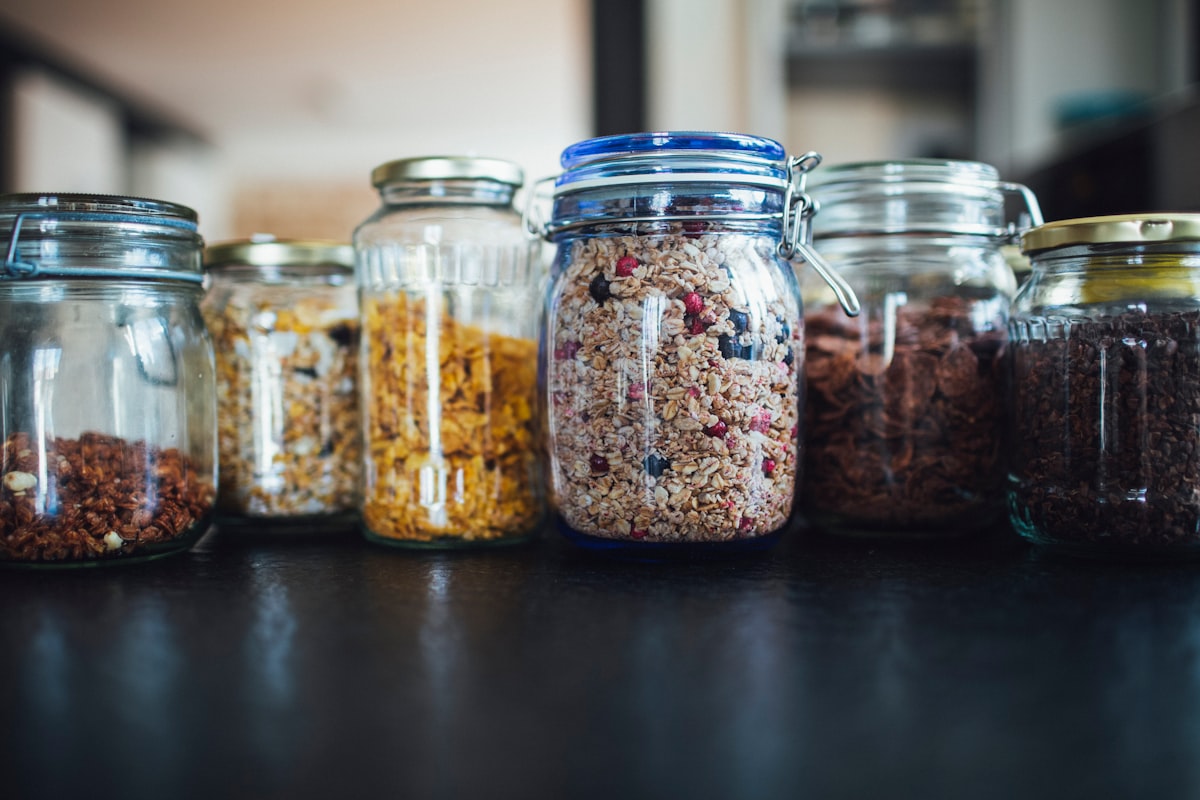
Whole Grains
Oats, brown rice, quinoa, and whole wheat provide sustained energy and essential fiber. These complex carbohydrates support digestive health and keep you satisfied longer.
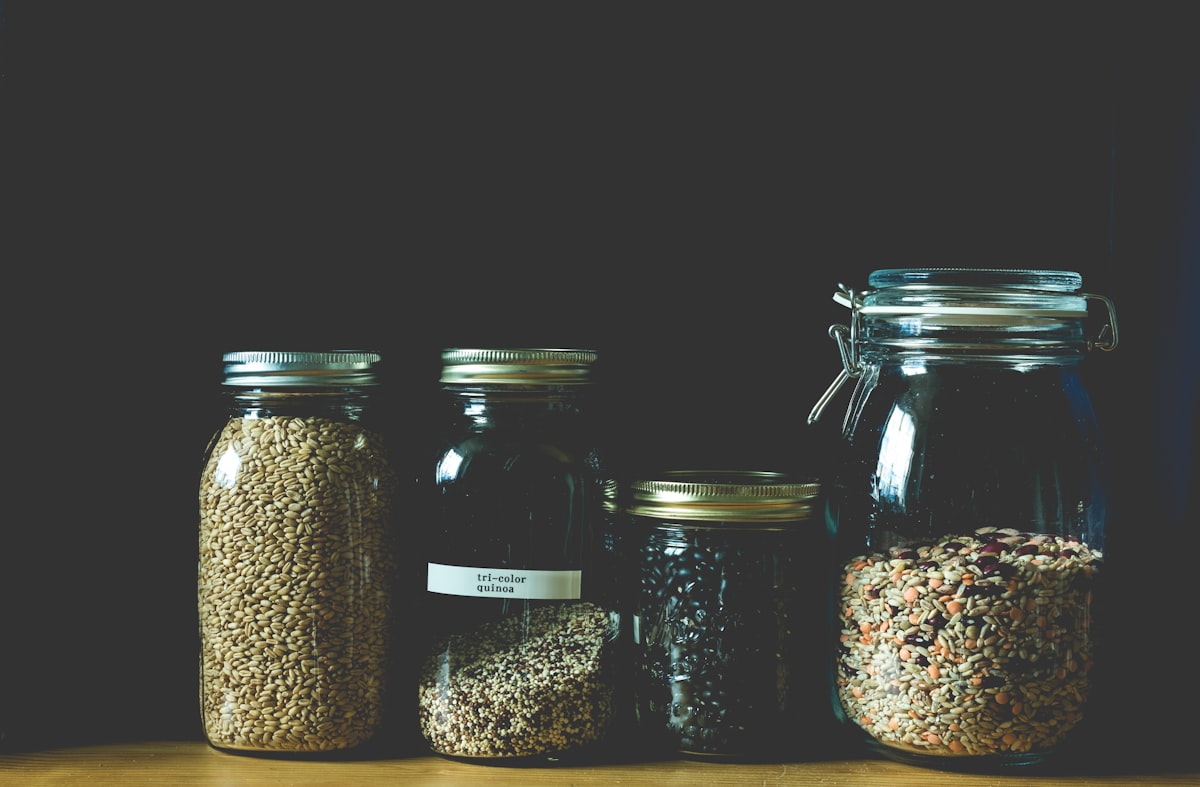
Legumes
Lentils, chickpeas, and beans are protein-packed plant foods rich in fiber and micronutrients. They form the backbone of plant-based and balanced eating patterns.
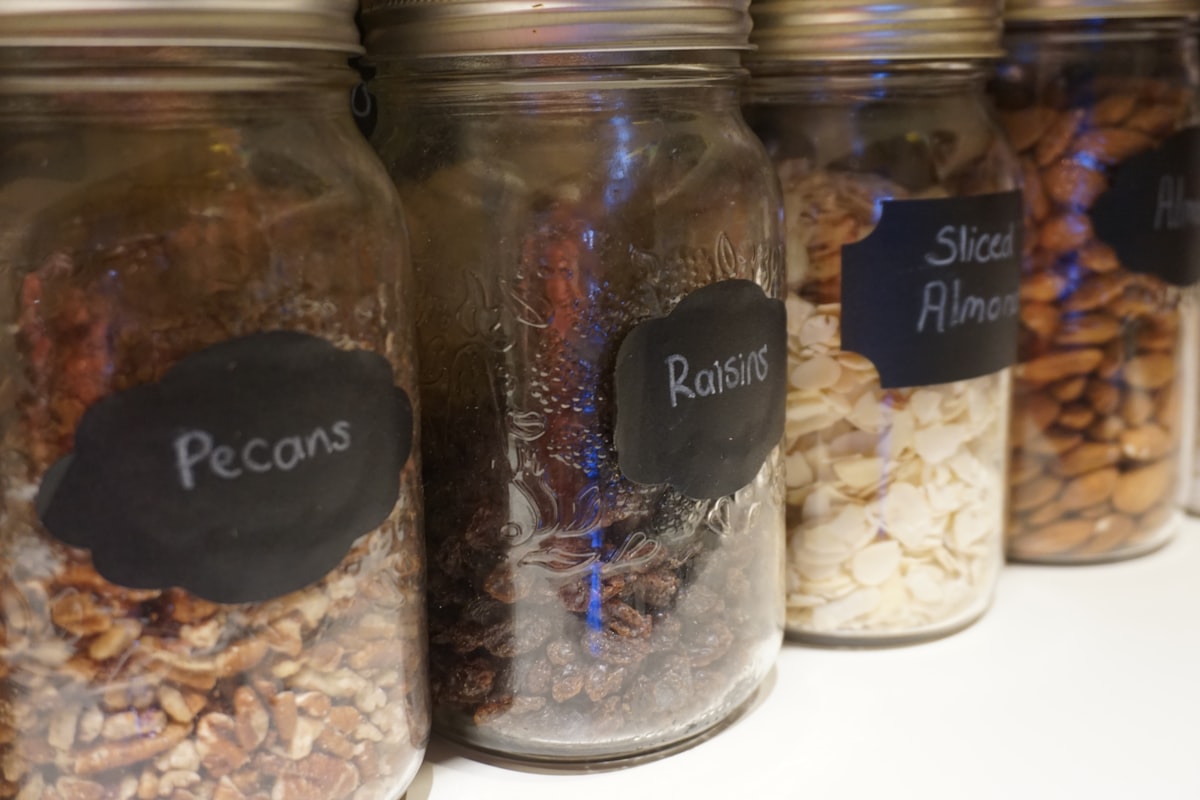
Nuts & Seeds
Almonds, walnuts, flax, and chia seeds deliver healthy fats, protein, and antioxidants. These nutrient-dense foods boost meals and support overall wellness.

Healthy Oils
Olive oil, coconut oil, and avocado oil provide essential fatty acids and enhance flavor. Choose cold-pressed varieties for maximum nutritional benefit.
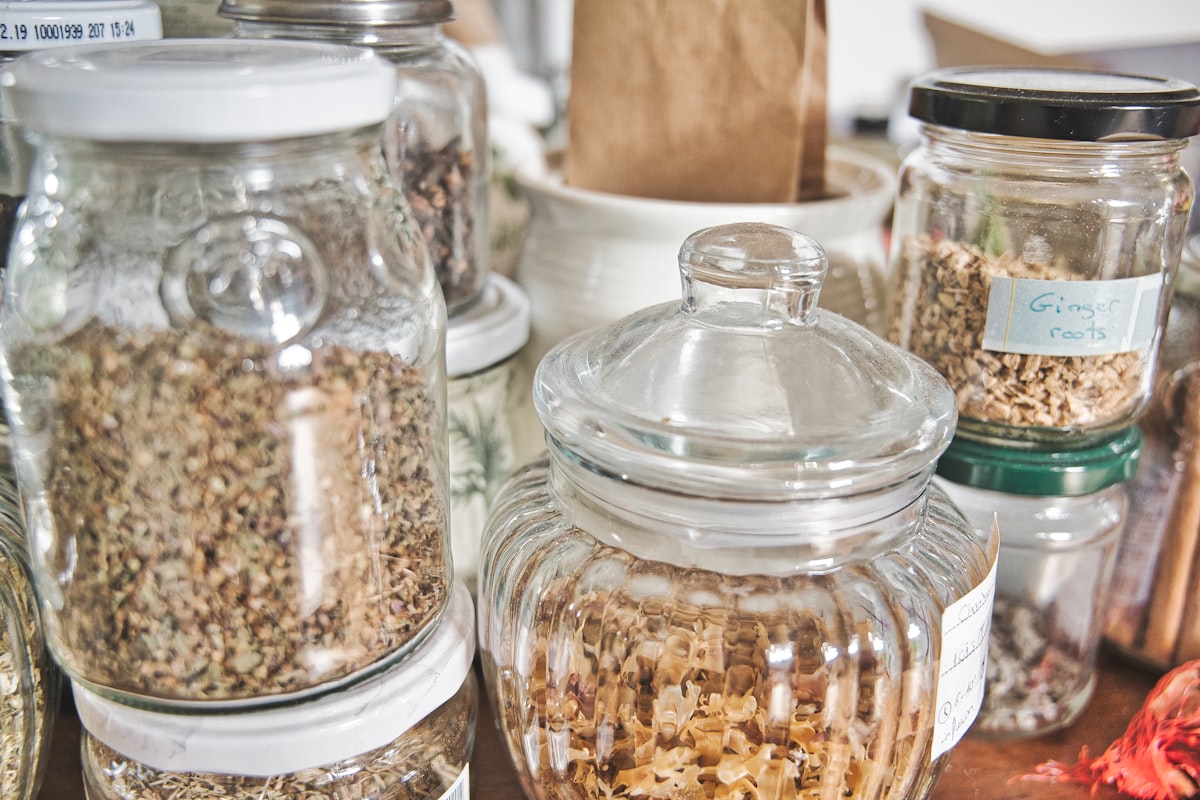
Herbs & Spices
Turmeric, cumin, oregano, and fresh herbs add depth and flavor without excess sodium. Many contain bioactive compounds with significant culinary value.
Natural Sweeteners
Honey, maple syrup, and dates offer natural sweetness with added minerals. Use mindfully to satisfy cravings while maintaining balanced nutrition.
Why These Ingredients Matter
Understanding the role of each pantry staple helps you make informed choices and create meals that truly nourish your body and mind.
Nutrient Density
Whole, minimally processed ingredients contain more vitamins, minerals, and phytonutrients per calorie. This means your meals deliver real nourishment that supports energy, immunity, and long-term wellness.
Blood Sugar Stability
Fiber-rich whole grains, legumes, and seeds help maintain steady blood glucose levels. This prevents energy crashes and supports sustained focus and productivity throughout your day.
Muscle and Tissue Support
Plant-based proteins from legumes, nuts, and seeds provide amino acids essential for building and repairing body tissues. Combined with whole grains, they create complete protein profiles.
Brain and Cognitive Function
Omega-3 fatty acids from seeds and nuts, plus B vitamins from whole grains, support mental clarity and focus. Antioxidants from herbs and spices protect brain cells from oxidative stress.
Culinary Versatility
Essential pantry staples work across countless cuisines and cooking methods. You can create diverse, exciting meals without needing specialty items, saving time and money in the kitchen.
Easy Meal Preparation
With a well-stocked pantry, you can prepare nutritious meals quickly without frequent shopping trips. Dried goods have long shelf lives, making meal planning efficient and stress-free.
Building Your Healthy Foundation
A well-stocked pantry is the cornerstone of healthy eating at home. By understanding which ingredients deserve shelf space and how to use them effectively, you transform your kitchen into a hub of nutritious cooking.
Start with the Basics
Begin with whole grains, legumes, and oils. These form the foundation for hundreds of recipes and provide lasting satiety and nutrition.
Add Flavor Builders
Invest in quality herbs, spices, and aromatics. These enhance taste without excess sodium and unlock the culinary potential of simple base ingredients.
Include Nutrient Boosters
Nuts, seeds, and natural sweeteners provide concentrated nutrition and satisfying flavors. They elevate simple dishes into complete, balanced meals.
Rotate and Refresh
Periodically refresh your supplies to ensure freshness and prevent waste. A rotating inventory keeps staples available while encouraging ingredient exploration.

Top 9 Must-Have Ingredients
These nine pantry essentials form the backbone of nutritious cooking. Each ingredient is accessible, versatile, and scientifically recognized for its nutritional value.
Brown Rice
A complete whole grain providing fiber, B vitamins, and minerals. Brown rice sustains energy levels and supports digestive function in everyday meals.
Lentils
Protein-rich legumes packed with iron, fiber, and antioxidants. Lentils cook quickly, require no pre-soaking, and work in soups, salads, and grain bowls.
Olive Oil
Cold-pressed extra virgin oil rich in antioxidants and monounsaturated fats. Use for dressings, dips, and light cooking to maximize nutritional benefits.
Oats
Whole grain cereal with soluble fiber and beta-glucans. Oats support sustained energy, digestive wellness, and make versatile breakfast and baking ingredients.
Almonds
Nutrient-dense tree nuts packed with vitamin E, magnesium, and healthy fats. Enjoy raw, roasted, or as almond butter for snacking and cooking.
Turmeric
Golden spice containing curcumin, a bioactive compound with significant culinary applications. Use in curries, soups, and warm beverages for flavor and substance.
Chia Seeds
Tiny seeds loaded with omega-3 fatty acids, fiber, and plant protein. Add to smoothies, puddings, and baked goods for nutrition and interesting texture.
Garlic
Aromatic bulb with sulfur compounds and antioxidants. Garlic flavors countless dishes and stores well, making it an essential flavor foundation for healthy cooking.
Raw Honey
Natural sweetener with trace minerals and antioxidants. Raw honey contains enzymes and compounds absent in processed sweeteners, adding value to beverages and recipes.
Common Questions About Pantry Staples
Find answers to frequently asked questions about selecting, storing, and using essential cooking ingredients.
Store whole grains and dried legumes in airtight containers in a cool, dark, dry place. Glass jars or food-grade plastic bins work well. Keep away from direct sunlight and moisture to prevent insect activity and preserve freshness. Properly stored, these items last 6–12 months. For longer storage, refrigerate or freeze in sealed containers. Label containers with purchase dates to track rotation and use older stock first.
Whole grains contain the entire seed: the bran, germ, and endosperm. Refined grains have been processed to remove the bran and germ, leaving only the starchy endosperm. This removes most of the fiber, vitamins, and minerals. Whole grains provide sustained energy, greater nutritional density, and support digestive function. For optimal health, prioritize whole grain varieties in your pantry.
Nuts and seeds are calorie-dense, but portion-controlled amounts fit easily into balanced eating patterns. A small handful (about 23 almonds or 1 tablespoon of chia seeds) provides significant nutrition—healthy fats, protein, and fiber—without excess calories. Their nutrient density and satisfying nature mean small amounts contribute meaningfully to meals and prevent overeating of less nutritious foods. Include them mindfully in your pantry strategy.
Look for "extra virgin" or "cold-pressed" labels, which indicate minimal processing and maximum antioxidant content. Dark glass bottles protect the oil from light damage. Check harvest dates if available—fresher oil has better flavor and nutritional value. Store in a cool, dark place away from heat and light. While quality oil costs more, its flavor and nutrition justify the investment. Use it for dressings, dips, and finishing dishes rather than high-heat cooking.
Add herbs and spices to dressings, marinades, soups, and roasted vegetables. Toast whole spices briefly before grinding to unlock flavor. Mix dried herbs with oil and lemon juice for simple dressings. Sprinkle fresh or dried herbs on finished dishes for color and aroma. Start with small amounts and adjust to taste
Yes, dried herbs are more concentrated than fresh, so use about one-third the amount. For example, if a recipe calls for 1 tablespoon of fresh herbs, use 1 teaspoon of dried. Dried herbs work well in cooked dishes, soups, and stews. Fresh herbs are better for garnishing and adding fresh flavor to salads and raw dishes.
Store dried herbs and spices in cool, dark, and dry places away from direct sunlight, heat, and moisture. Glass containers with tight-fitting lids work best. Keep them away from your stove and windows. Properly stored, whole spices last 3-4 years, while ground spices last 1-2 years. Label containers with the purchase date for freshness tracking.
Many herbs and spices have been used in traditional medicine for centuries. Turmeric contains curcumin with anti-inflammatory properties, ginger aids digestion, cinnamon may help regulate blood sugar, and oregano is rich in antioxidants. While culinary amounts provide flavor, concentrated supplements may offer more significant health effects. Always consult healthcare professionals before using herbs for medicinal purposes.
What Our Customers Say
Join thousands of satisfied customers who have elevated their cooking and wellness with Vital Skill Ingredients.
"The quality of these herbs is exceptional. My dishes have never tasted better, and I love knowing I'm using pure, authentic ingredients."
Sarah M.
Home Cook, California
"I've tried many brands, but Vital Skill Ingredients stands out. The flavors are vibrant and the product arrives fresh every time."
Chef David R.
Professional Chef, New York
"Perfect for my wellness journey. I appreciate the organic options and the detailed information about each product. Highly recommended!"
Jessica L.
Wellness Enthusiast, Texas
Ready to Transform Your Kitchen?
Discover the difference quality ingredients make. Start your culinary journey with Vital Skill Ingredients today.